
What Is an Introduction Email to a Client?
An introduction email to a client is a message sent to a new or prospective customer. Its goal is to start a professional relationship. It typically introduces you or your company and explains what products or services you offer. It also sets a friendly, confident tone for future business interactions. Unlike a sales pitch, an introduction email is less about closing a deal immediately. It focuses more on making a strong first impression that encourages the client to want to learn more. First impressions in business are often formed entirely through writing. Because of that, the tone, clarity, and professionalism of this email can shape how a client perceives your company from the very beginning. This kind of email is often the very first point of contact a client has with your business. That means it carries more weight than a typical follow up message.
Why a Good Introduction Email Matters
A well written introduction email can be the difference between a client who engages further and one who ignores your message entirely. Since many clients receive dozens of similar emails, a generic or poorly structured introduction is easy to overlook. A thoughtful introduction email demonstrates that you understand the client’s needs and explains clearly how your company can help. It also gives the reader a simple next step, such as scheduling a call or replying with questions. Companies that consistently send strong introduction emails tend to build trust faster and convert more prospects into long term clients. On the other hand, a rushed or careless introduction email can quietly cost a business opportunities. Those opportunities never even get a fair chance to develop.
What to Include in an Introduction Email to a Client
A strong introduction email should include a clear subject line and a polite greeting using the client’s name. It should also give a brief explanation of who you are and which company you represent. It should include a summary of the products or services relevant to the client too. It should also mention why you are reaching out specifically to them. This might be through a referral, a shared connection, or research into their business needs. Finally, end with a clear call to action, such as offering a meeting time or inviting the client to reply with questions. Include your contact details too, so they can easily follow up. A professional email signature with your job title and company name adds another layer of credibility to the message. A small headshot or company logo can also reinforce that you represent a real, established business.
Types of Introduction Emails to Clients
Introduction emails vary depending on the relationship and context. A cold introduction email reaches out to a client with no prior connection. It typically leans on research and a clear value proposition to earn attention. A referral based introduction email mentions the mutual contact who suggested the outreach, which tends to increase response rates. A follow up introduction email is sent after an initial meeting, call, or event to formally continue the conversation in writing. Choosing the right tone and structure for each situation helps the email feel appropriate rather than generic.
Tips for Writing an Effective Introduction Email
Keep the email short and focused. Busy clients are more likely to read and respond to a message that respects their time. Personalize the opening line whenever possible, referencing something specific about the client’s business or industry rather than using a generic greeting. Avoid overly salesy language and instead focus on how you can genuinely help solve a problem the client may be facing. Proofread carefully, since typos or awkward phrasing can undercut an otherwise strong first impression. Always include a clear, low pressure call to action at the end. Sending the email at a reasonable time of day, rather than late at night or very early morning, also helps. It can make the message feel more considerate and professional.
Common Mistakes to Avoid in a Client Introduction Email
Even well meaning introduction emails can fall flat if they make a few common mistakes. Sending a long, dense email packed with every detail about your company overwhelms the reader before they reach the important information. Using a generic, copy paste greeting like “Dear Sir or Madam” instead of the client’s actual name can make the email feel impersonal. It can also come across as mass produced. Focusing entirely on your own company, rather than explaining how you can help the client, also weakens the message. Clients respond better to emails that address their needs directly. Finally, forgetting a clear call to action leaves the client unsure of what to do next. That often means the email gets read and then forgotten.
Download Free Introduction Email to Client Templates
Writing a polished introduction email from scratch takes time, so the ready made templates below give you a proven structure to start from. Download any of the introduction email to client templates and customize the wording to match your company, your client, and your industry, so every message you send keeps that professional, well organized first impression.
Introduction email to Client Sample
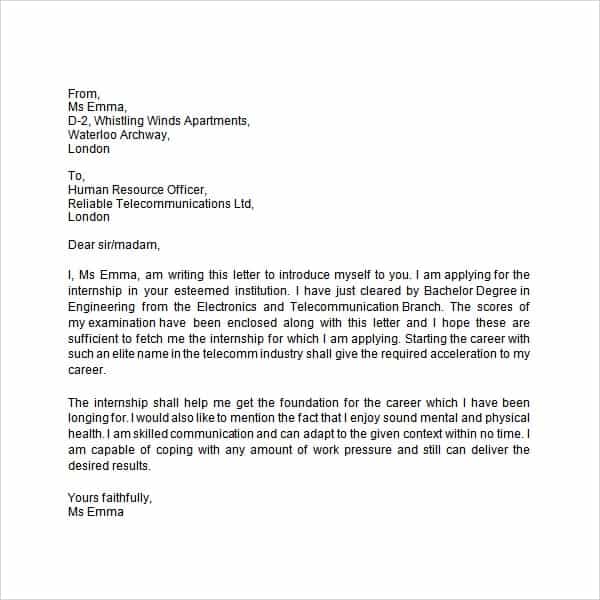

Introduction Email to Client example
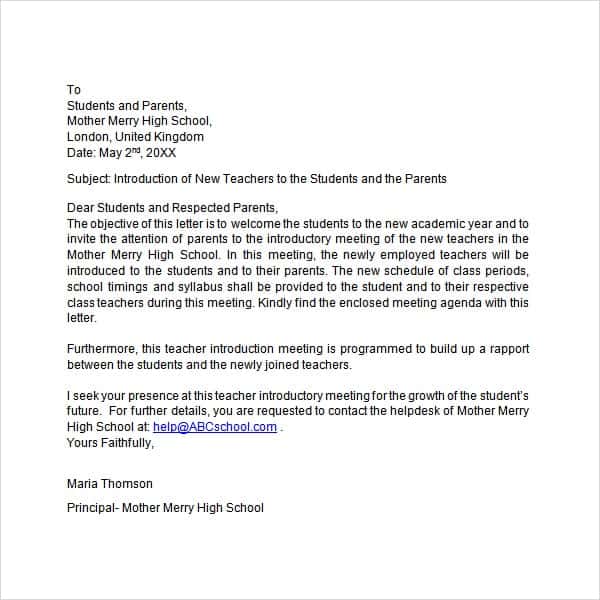
Introduction Email to Client Template
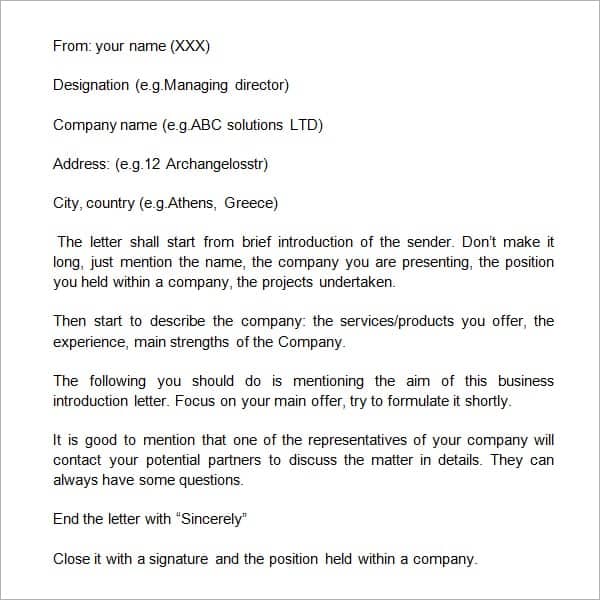
Sample Introduction Email to Client

Free Introduction Email to Client

Frequently Asked Questions
What is the goal of an introduction email to a client?
The goal of an introduction email to a client is to make a positive first impression. It should introduce your company and its offerings, and open the door to a professional business relationship. It’s not meant to close a sale immediately.
How long should an introduction email to a client be?
An introduction email to a client should generally be short, ideally no more than a few short paragraphs. Busy clients are far more likely to read and respond to a concise, focused message.
What should the subject line of an introduction email say?
The subject line should be clear and specific, briefly mentioning who you are or why you are reaching out. That way, the client immediately understands the purpose of the email before opening it.
Can I reuse the same introduction email template for every client?
You can use the same introduction email template as a starting structure. However, it is best to personalize the greeting, details, and value proposition for each client, so the message does not feel generic.

You must be logged in to post a comment.