
What Is a Contractor Invoice?
A contractor invoice is a billing document that an independent contractor sends to a client after completing a job. It requests payment for the work performed or materials supplied. It can cover a single small task or a large multi phase project. The scope depends on how the contractor and client have structured the work. It serves as an official record of the transaction. It lists the services provided, the agreed rate, and the total amount owed. Unlike a standard employee, a contractor is responsible for generating their own invoices. There is no payroll system automatically calculating hours, withholding taxes, and issuing payment on a fixed schedule. A clear, professional contractor invoice helps ensure the contractor gets paid accurately and on time. It also gives the client a documented record for their own accounting purposes. An invoice requests payment; the job is paid when the agreed funds are received. That makes it one of the single most important documents in the entire working relationship between contractor and client.
Why Contractor Invoices Matter
Contractor invoices matter because they are often the deciding factor in how a contractor gets paid. How quickly, and how accurately, depends largely on the invoice itself. A vague or incomplete invoice can lead to frustrating payment delays and disputes over the amount owed. It can also cause confusion about exactly what work was completed and when it happened. For contractors, consistent and professional invoicing also builds trust with clients and supports accurate bookkeeping and tax reporting throughout the year. For clients, a detailed invoice provides the documentation needed to verify the work matches what was agreed upon before releasing payment. This helps both sides avoid misunderstandings about scope or cost, especially on longer projects with multiple phases.
What to Include in a Contractor Invoice
A complete, well organized contractor invoice should include the contractor’s name and contact information, along with the client’s name and address. It should also list an invoice number and date, and a detailed description of the work or services provided. Finally, it should show the rate charged and the total amount due. It should also state the payment terms, including the due date and accepted payment methods. If direct deposit is an option, list the contractor’s bank account details as well. Including a unique invoice number for each job also makes it easier to track payments. It also helps you reference specific invoices later if questions arise. Listing individual line items, rather than a single lump sum, gives clients more confidence that the charges reflect the actual work performed.
Types of Contractor Invoices
Contractor invoices can vary quite a bit depending on the nature of the work and billing arrangement. Choosing the right format upfront can prevent confusion once the job is finished. A time based invoice charges by the hour or day worked. This is common for contractors billing based purely on labor rather than a predetermined project scope. A fixed price invoice charges a flat rate for a completed project, regardless of the hours spent. Many clients prefer this because it makes the total cost predictable upfront. A materials and labor invoice separates the cost of supplies from the cost of the contractor’s work. This format is common in construction and trade work, and it gives clients a clear breakdown of exactly where their money went. Choosing the right invoice format helps ensure clients clearly understand exactly what they are paying for. That reduces the chances of a payment dispute later on.
Tips for Creating an Effective Contractor Invoice
Send invoices promptly after completing work, since delays in invoicing often lead to delays in payment. Be as specific as possible when describing the work performed, avoiding vague terms that could lead to disputes later. Always double check the math on totals before sending. Even a small arithmetic error can damage trust with a client and slow down payment while it gets corrected. Keep organized copies of every invoice sent for your own records and tax purposes. It also helps to set clear late payment terms upfront to encourage timely payment. Using a consistent invoice format for every client also makes your bookkeeping simpler at tax time. It also helps your business look more established and trustworthy overall.
Contractor Invoices and Getting Paid on Time
Late payments are one of the most common frustrations independent contractors face. Much of it can be traced back to unclear or inconsistent invoicing. Setting firm payment terms upfront, such as net 15 or net 30 days, helps a lot. Stating them clearly on every invoice reduces confusion about when payment is expected. Following up politely a few days after an invoice becomes overdue also improves the odds of getting paid promptly. That beats waiting several weeks in silence. Contractors who invoice consistently and professionally tend to build stronger, more reliable working relationships with repeat clients over time.
Download Free Contractor Invoice Templates
Choose from the downloadable files below. Each retained preview has an associated file link; check the file format before opening it in your software.
Contractor Invoice Template Free
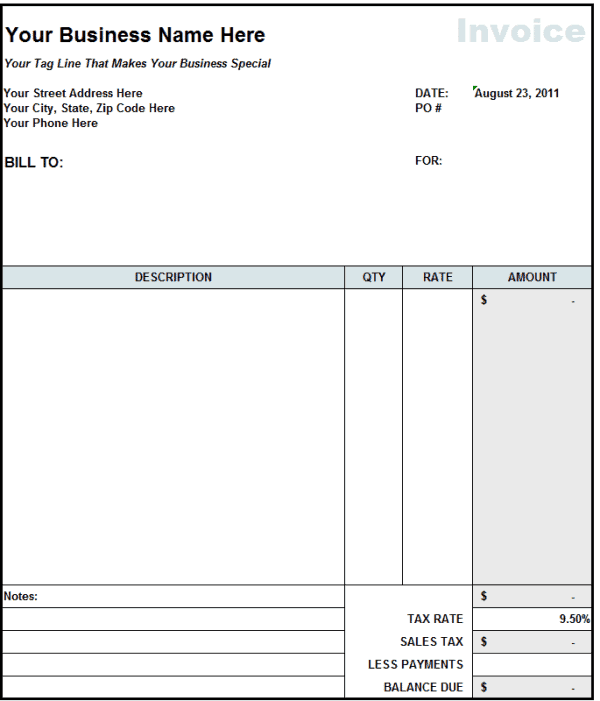

Contractor Invoice Template PDF
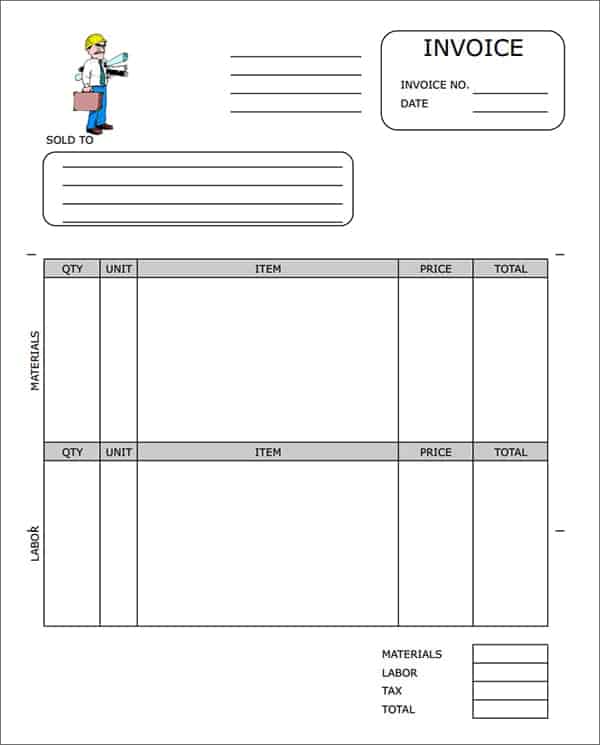
Contractor Invoice Template Free
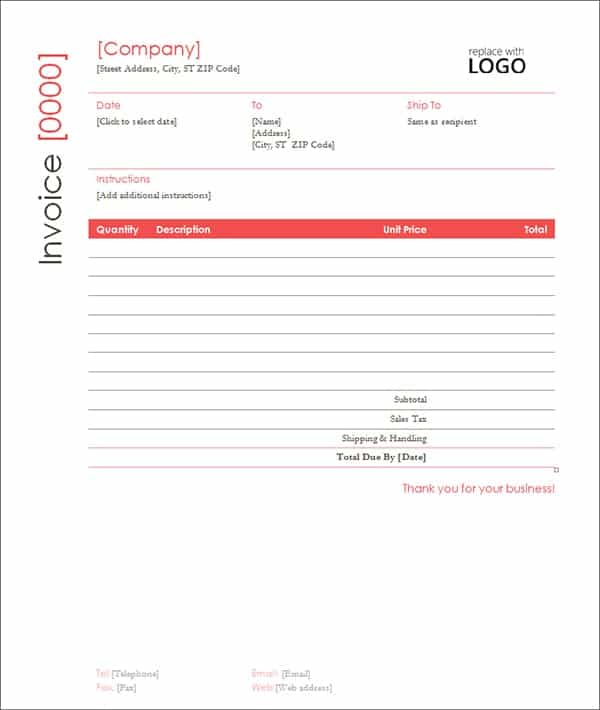
Contractor Invoice Template PDF

Contractor Invoice Sample Template PDF
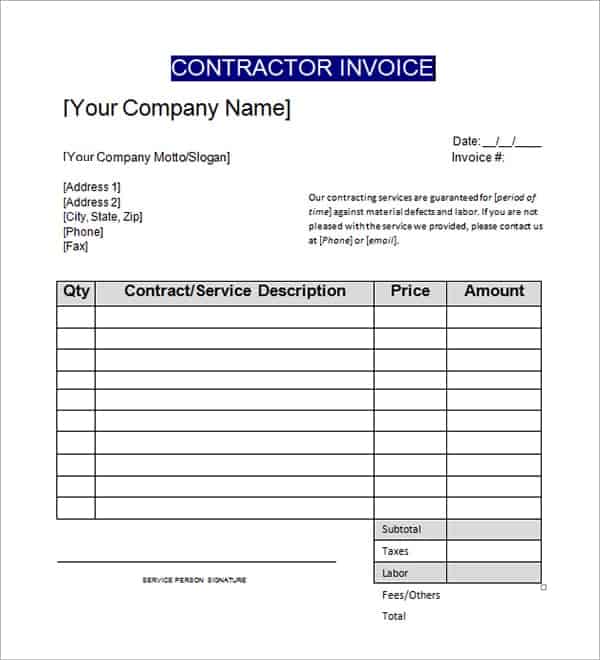
Contractor Freelancer Invoice Sample
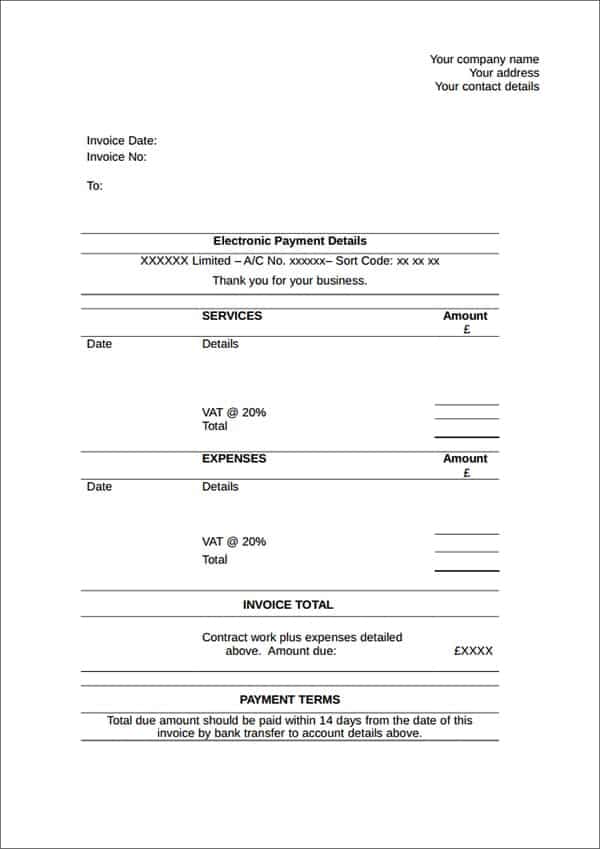
Free Contractor Invoice Template
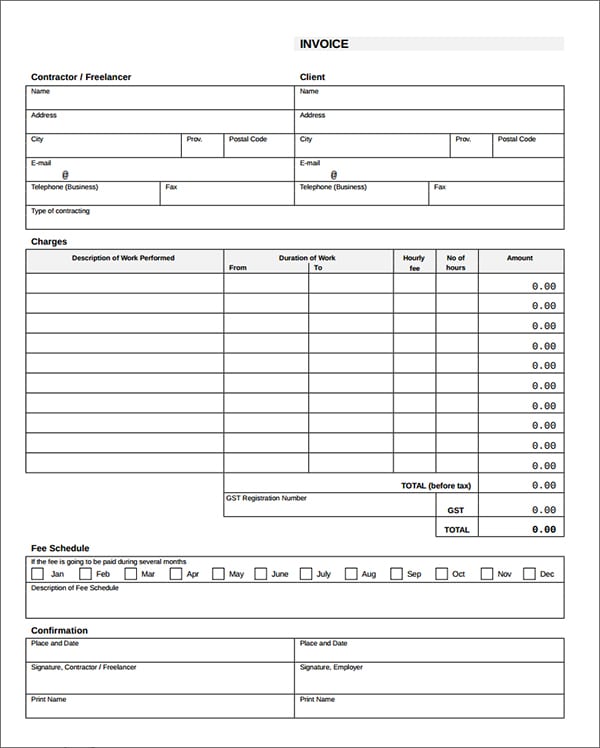
Sample of Contractor Invoice Template
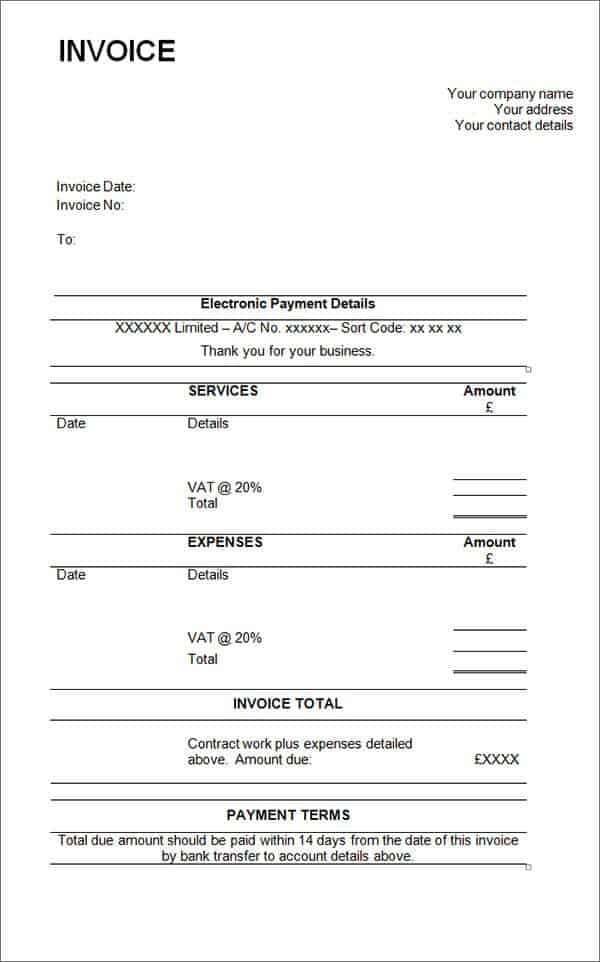
Contractor Invoice Template Excel
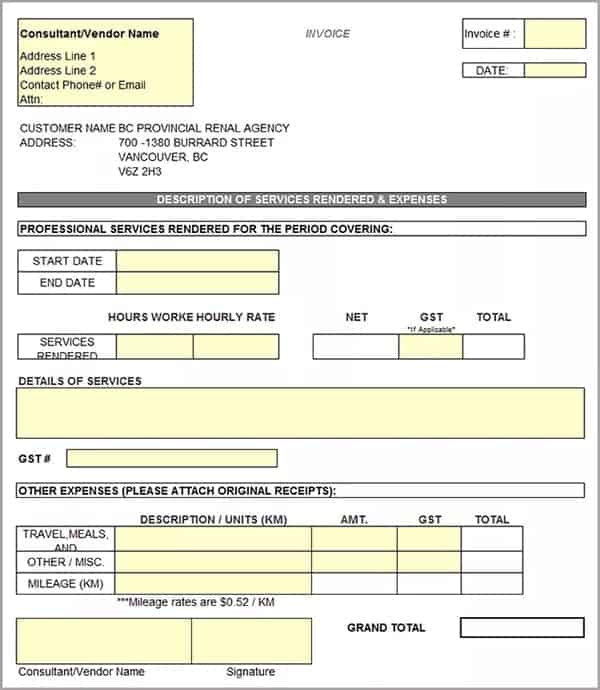
Related Templates
Looking for something similar? Check out our proforma invoice templates for another handy billing document you can download and customize.
Example: Itemize a Small Contractor Job
For a fictional service invoice, six hours at 40 currency units equals 240, plus agreed materials of 60 gives a subtotal of 300 before any separately applicable tax or adjustment. Identify the service dates, project reference, invoice number and payment due date. Describe the delivered work clearly enough for the client to match it to the agreed scope.
Show any deposit already received as a separate credit and check the balance due. Sending an invoice requests payment; it does not prove that payment has been made. Use a proforma for a preliminary transaction estimate and a payroll document for employee pay.
Support the invoice with our statement of work templates, daily work log templates, proforma invoice templates.
Frequently Asked Questions
What should a contractor invoice include?
A contractor invoice should include the contractor’s and client’s contact details, an invoice number and date, and a description of the work performed. It should also state the amount due and clear payment terms.
How soon should a contractor send an invoice?
A contractor should send an invoice as soon as possible after completing the work. Prompt invoicing generally leads to faster payment and reduces the risk of details being forgotten.
What is the difference between a time based and fixed price invoice?
A time based invoice charges by the hour or day worked. A fixed price invoice charges a single flat rate for the entire completed project, regardless of the hours actually spent.
Can I customize a contractor invoice template?
Yes, the contractor invoice templates below can be downloaded and fully customized in Word, Excel, or PDF format. You can include your business name, logo, rates, and payment terms.

You must be logged in to post a comment.