
What Is a Standard Operating Procedure (SOP)?
A standard operating procedure, or SOP, is a written set of step-by-step instructions. It describes exactly how a routine task or process should be carried out within an organization. Its purpose is consistency. Whoever performs the task — today or a year from now, an experienced employee or a brand-new hire — follows the same steps and produces the same quality of result.
Why SOPs Matter
Without documented procedures, quality depends entirely on who happens to be doing the work that day. Knowledge also walks out the door whenever an experienced employee leaves. A well-written SOP reduces errors, shortens training time for new hires, and makes it far easier to spot where a process is breaking down. That’s because you can compare what actually happened against what was supposed to happen. Many industries — healthcare, manufacturing, food service — also require documented SOPs to meet regulatory or safety standards.
How to Write One
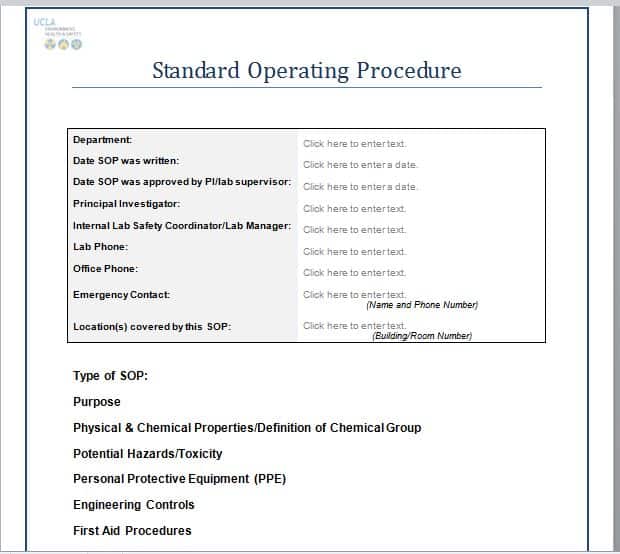
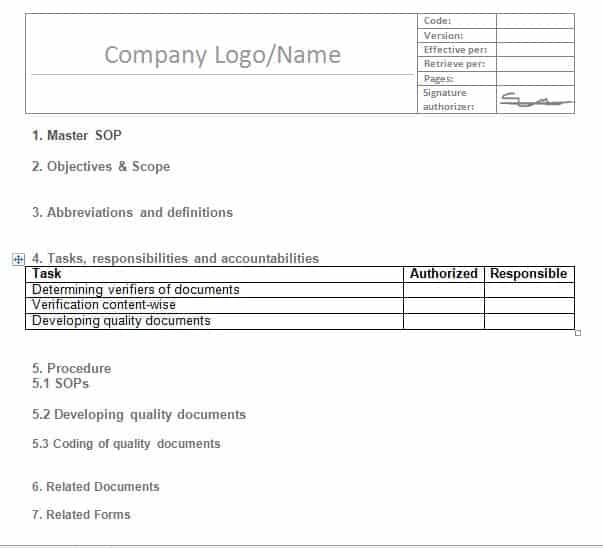
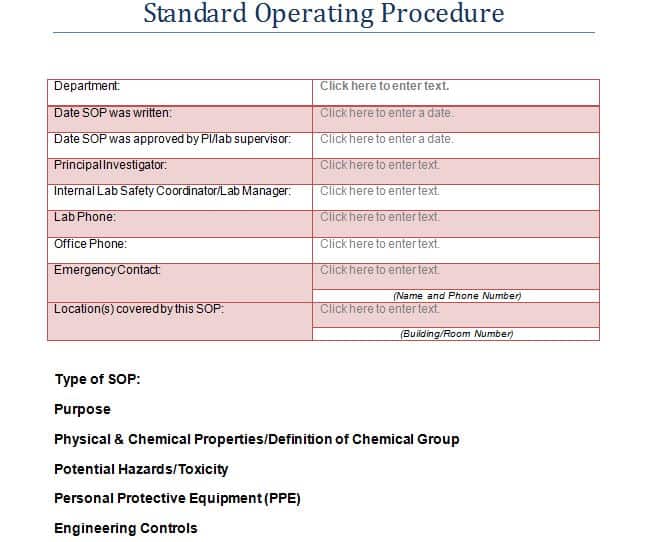
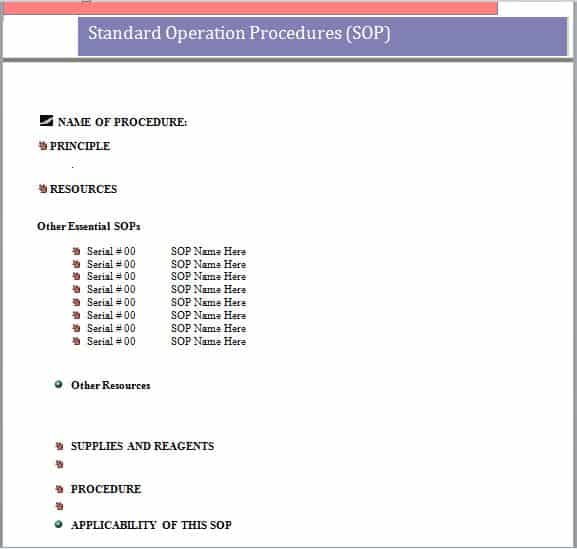
A clear SOP typically opens with the purpose and scope of the procedure. Next come any required materials, safety notes or prerequisites, followed by the actual steps in the order they should be performed. Finally, it names who is responsible for each step and how the result should be checked or approved. Keep instructions specific and action-oriented — “verify the invoice total matches the purchase order before approving” is far more useful than “check the invoice.”
Common SOP Formats
Not every process fits the same layout. A simple step-by-step format, a numbered list of sequential actions, works well for straightforward, linear tasks. A hierarchical format, which breaks a procedure into major steps with sub-steps underneath, suits more complex processes with several stages. A flowchart format, using decision diamonds and branching paths, is the clearest choice when the correct next step depends on a condition. For example: “if the return is damaged, follow Path A; if not, follow Path B.” Picking a format that matches how complicated the actual process is makes the SOP easier to follow under real working conditions.
Common SOP Mistakes to Avoid
The most common mistake is writing instructions too vaguely to actually guide someone unfamiliar with the task. An SOP should work even for someone doing the process for the first time. Another frequent issue is letting SOPs go stale. A procedure that no longer matches how the work is actually done is often worse than having no SOP at all, since staff either ignore it or follow outdated steps. Finally, avoid SOPs that are too long and dense to actually be used during the task. If people won’t realistically pull it up and follow it step by step, it isn’t doing its job.
Free SOP Templates
Below are 9+ standard operating procedure templates in Word, ready to adapt for any department, industry or process.
Standard Operating Procedure SOP Templates WORD

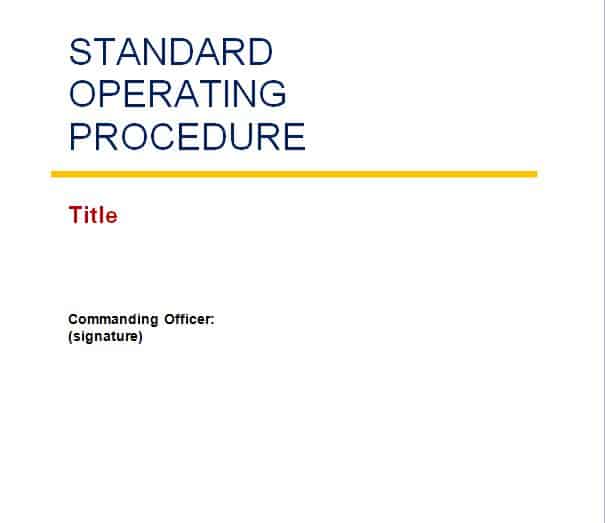
Standard Operating Procedure SOP Images & Examples
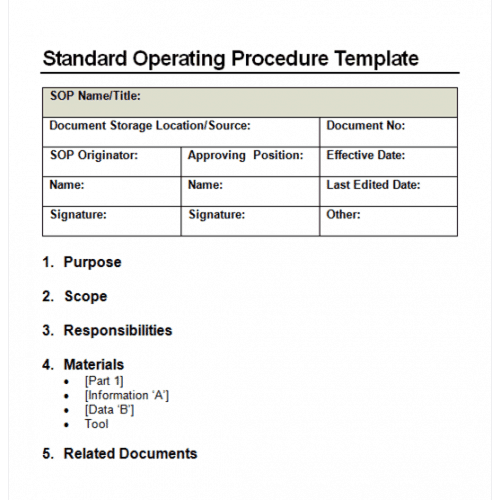
Standard Operating Procedure Manual Example
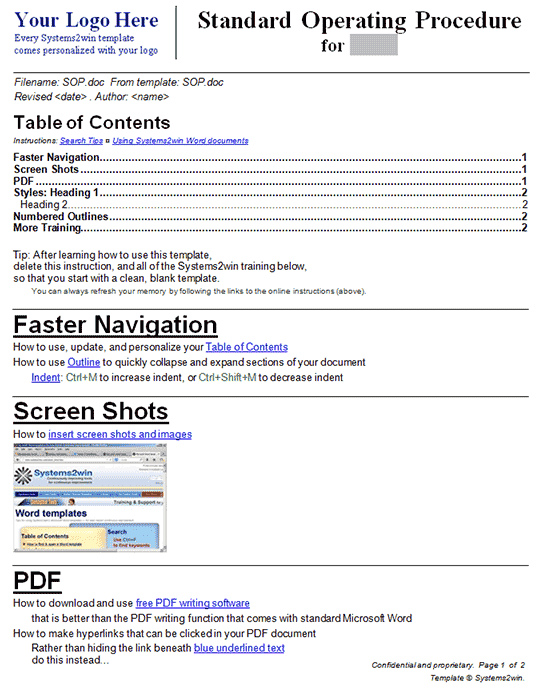
Free Standard Operating Procedure example
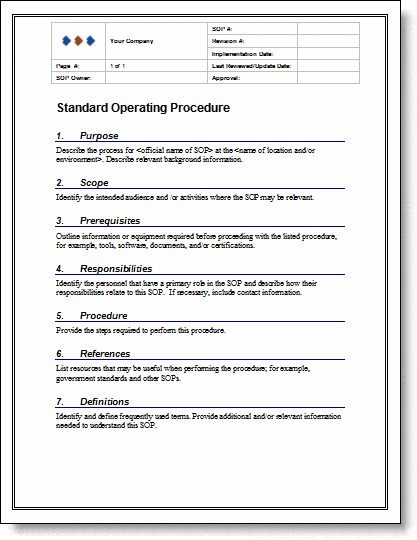
Standard Operating Procedure Document in MS word
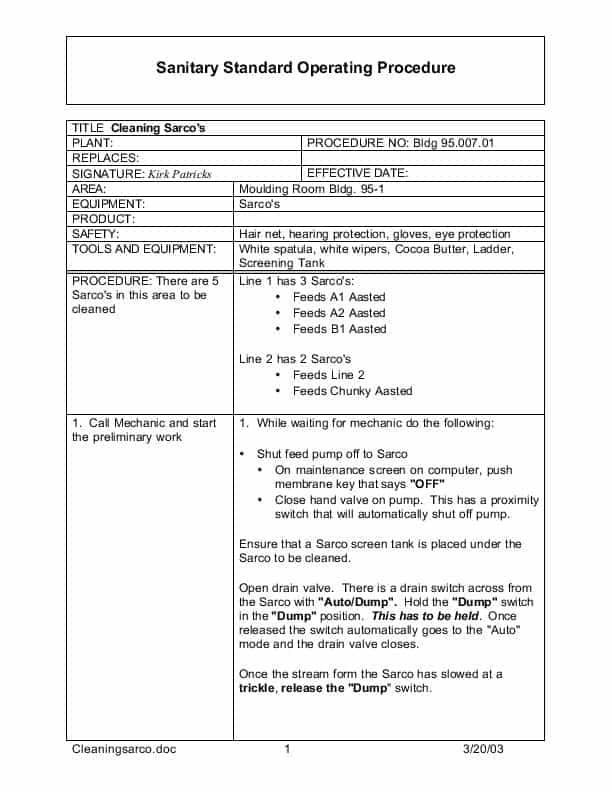
Standard Operating Procedures (SOP) writing guide online
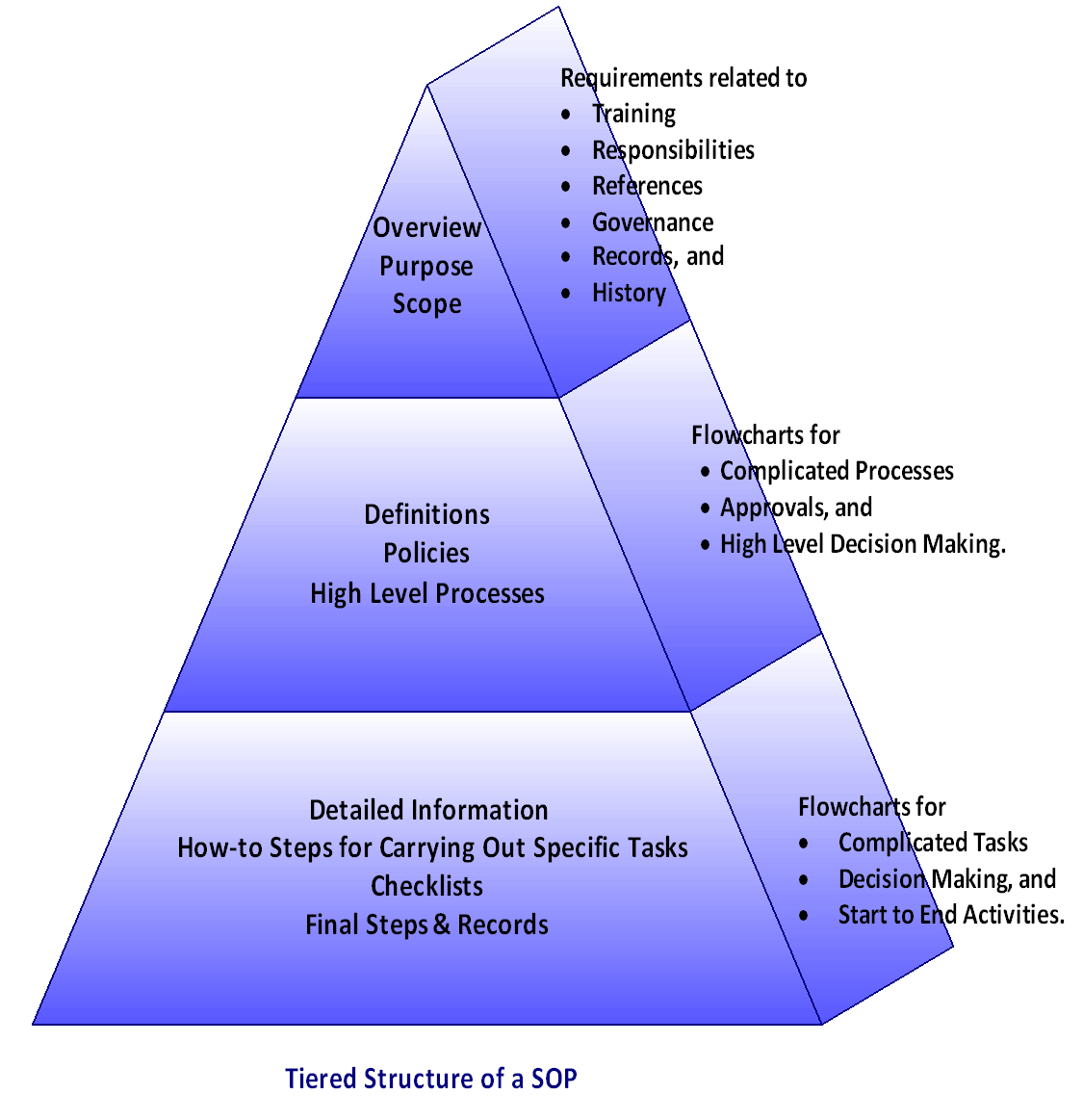
Standard Operating Procedures (SOP) writing sample and instructions
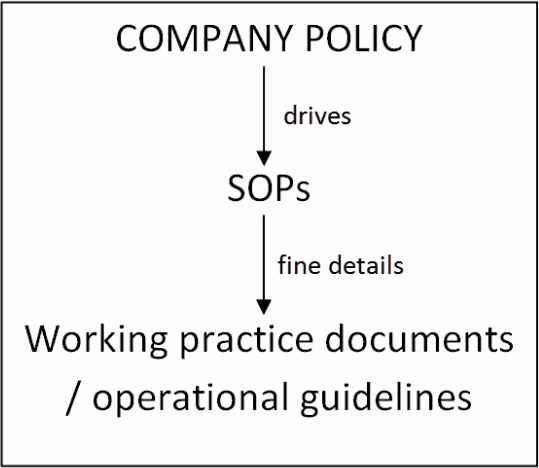
Sample Standard Operating Procedure Free
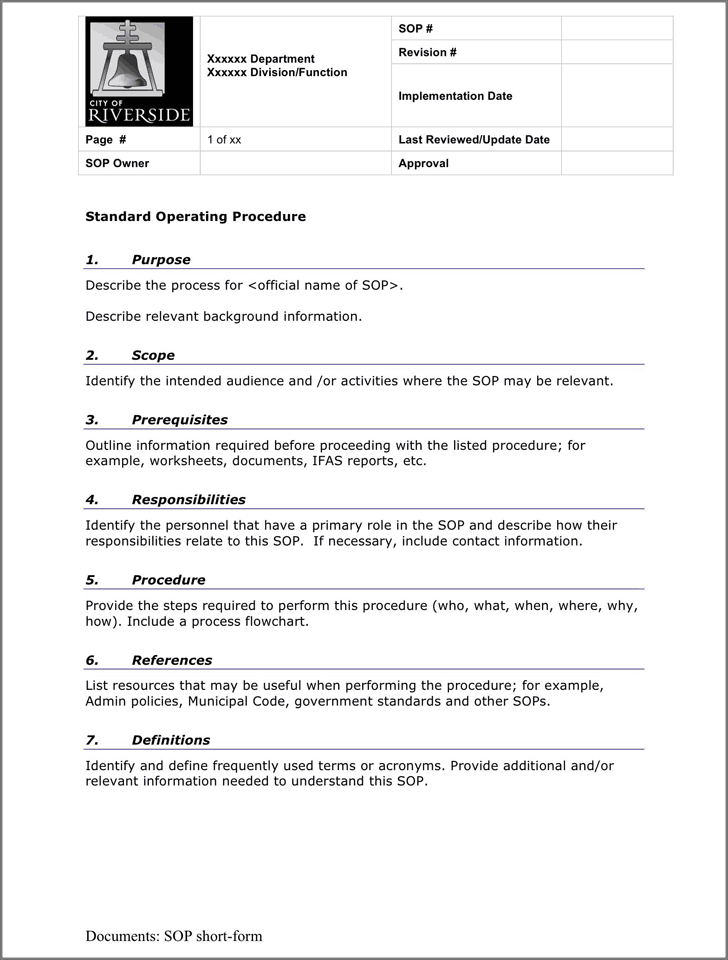
SOP Template For Health Department
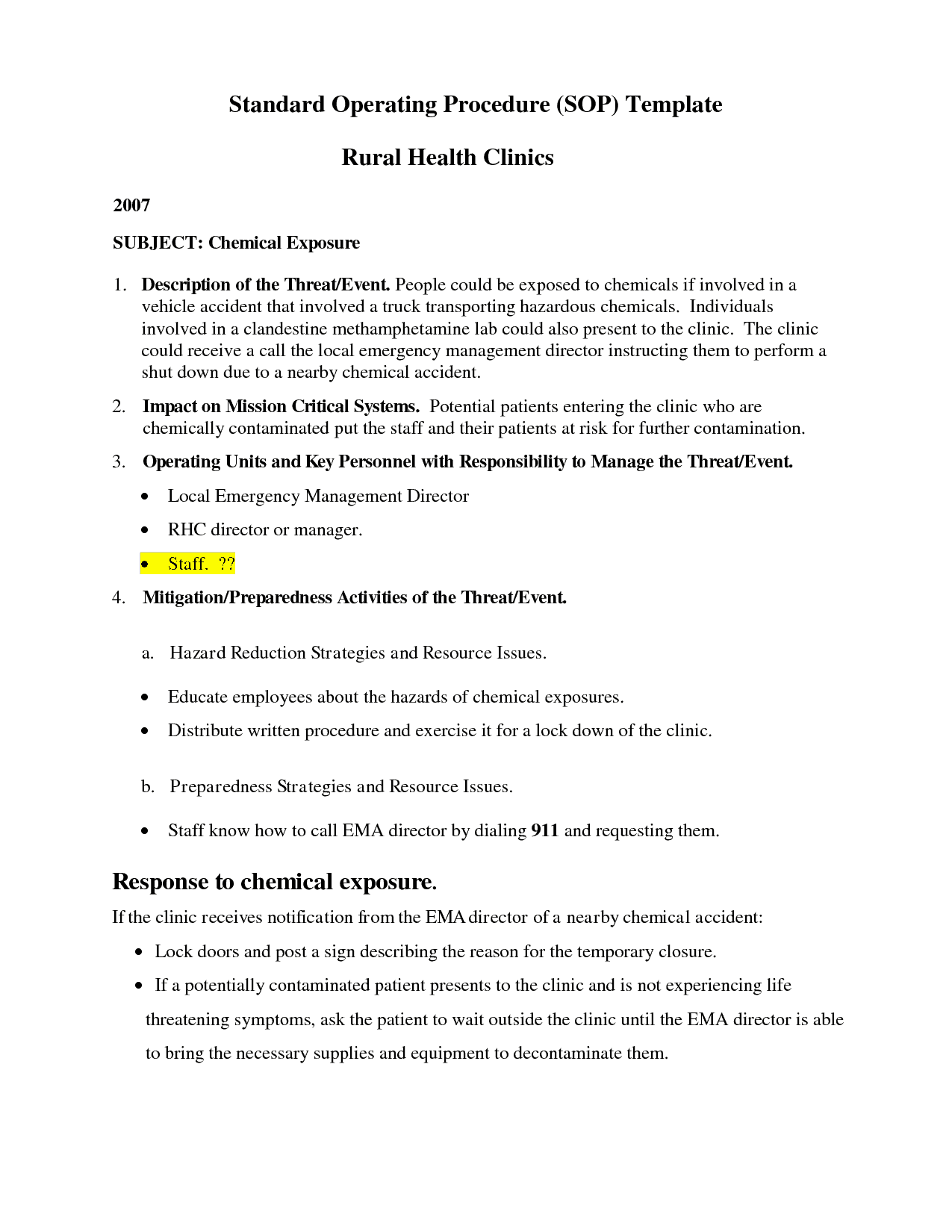
Risk Analysis SOP Template

Frequently Asked Questions
How often should SOPs be reviewed?
Most organizations review SOPs annually, or sooner whenever the underlying process, equipment, or regulations change. An outdated SOP is often worse than none at all. Staff may follow steps that no longer reflect actual practice.
Who should be involved in writing an SOP?
The people who actually perform the task should always be involved. A supervisor should also be included to confirm the steps meet quality and compliance requirements. An SOP written without input from the people doing the work often misses practical details.
How long should an SOP be?
As long as it needs to be to cover the process clearly, and no longer. A one-page SOP is fine for a simple task; a multi-step process may reasonably run several pages. If it’s too long to realistically reference during the task, consider breaking it into smaller, linked procedures.
What’s the difference between an SOP and a policy?
A policy states a general rule or principle (“employees must wear protective equipment in the warehouse”). An SOP, on the other hand, explains exactly how to carry out a specific task step by step (“how to put on and check protective equipment before entering the warehouse”). Policies set the what and why; SOPs set the how.

You must be logged in to post a comment.