
What Is a Weekly Report?
A weekly report is a short summary document that team members, project managers, or department leads submit at the end of each week to keep supervisors and stakeholders informed about progress, challenges, and plans for the week ahead. It can be as brief as a few bullet points or as detailed as a multi section document, depending on the size and complexity of the work being reported on. Rather than waiting for a monthly or quarterly review, a weekly report gives management a regular, up to date view of how work is progressing, so issues can be spotted and addressed quickly rather than discovered much later. It typically covers what was accomplished, what is still in progress, and what obstacles came up along the way. Many organizations standardize the format across teams so that reports from different departments can be compared side by side, which makes it easier for senior leadership to get a consistent, company wide view of progress each week rather than piecing together information from a dozen different formats.
Why Weekly Reports Matter
Weekly reports matter because they create a steady, predictable rhythm of accountability and communication between teams and management, rather than leaving updates to chance or memory. Without regular reporting, small issues can go unnoticed until they grow into much larger problems, and managers lose visibility into how projects are actually progressing week to week. A consistent weekly report also builds a written history of performance over time, making it much easier to spot trends, celebrate wins, or address recurring roadblocks. For employees, weekly reports offer a low pressure way to keep their contributions visible to leadership, rather than relying on occasional check ins to demonstrate progress, which can be especially valuable during performance review season. They also reduce the need for frequent status meetings, since much of the routine progress information that would otherwise require a live update can simply be read at the recipient’s convenience.
What to Include in a Weekly Report
A strong, well organized weekly report should include a short summary of key accomplishments from the week, any tasks still in progress, challenges or blockers encountered, and a brief look ahead at priorities for the coming week. Depending on the role, it may also include relevant metrics, such as sales numbers, project milestones, or hours logged. Referring back to the previous week’s report helps show clear progress over time, giving readers an easy way to compare current performance against where things stood just seven days earlier and to notice patterns they might otherwise miss. Some teams also include a short “risks and support needed” line, calling out anything that could derail progress and flagging exactly what help, resources, or decisions are needed from management to keep things on track.
Types of Weekly Reports
Weekly reports vary quite a bit depending on the role and industry, and picking the right format from the start saves time compared to reworking a mismatched template later. A weekly progress report tracks the status of an ongoing project against its timeline and milestones. A weekly sales report summarizes revenue, leads, and deals closed during the week. A weekly production report, common in manufacturing, tracks output, downtime, and efficiency figures. A weekly work report is a more general summary of tasks completed by an individual or team. Choosing the right format ensures the report captures exactly the information relevant to the reader, rather than burying the important details among irrelevant ones. Some teams even combine elements of more than one type, such as a weekly sales report that also includes a short production or fulfillment update, when the two areas are closely tied together.
Tips for Writing an Effective Weekly Report
Keep your weekly report concise and focused squarely on the information your audience actually needs, rather than including every small detail from the week just because it happened. Write with your reader in mind, since a report headed to senior management may need less technical detail than one shared within your immediate team. Reference the previous week’s report where relevant, so the reader can easily track progress over time. Submit the report on the same day each week to build a predictable rhythm, and always proofread before sending it out to keep the report looking polished, professional, and worth the reader’s time.
How Weekly Reports Build Into Larger Reviews
A single weekly report might feel like a small, routine task, but stacked together over a month or a quarter, these reports become a detailed record of how a project or team actually performed over time. Managers often pull directly from a series of weekly reports when writing monthly or quarterly summaries, which means the accuracy and consistency of each individual weekly report matters more than it might first appear. Teams that treat their weekly report as a quick afterthought often find themselves scrambling to reconstruct details later, while teams that keep it consistent end up with a much easier, more accurate review process down the line.
Download Free Weekly Report Templates
Choose from the downloadable files below. Each retained preview has an associated file link; check the file format before opening it in your software.
Simple Weekly Report Template
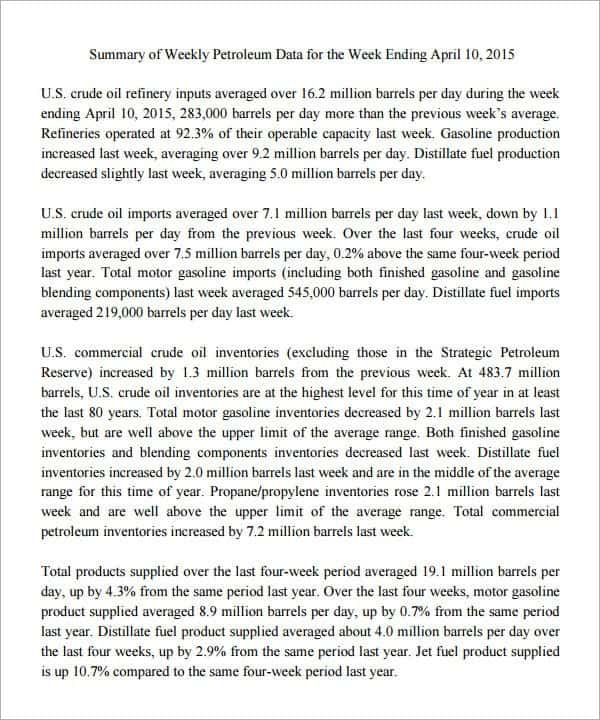

Weekly Report Template

Weekly Progress Report Sample
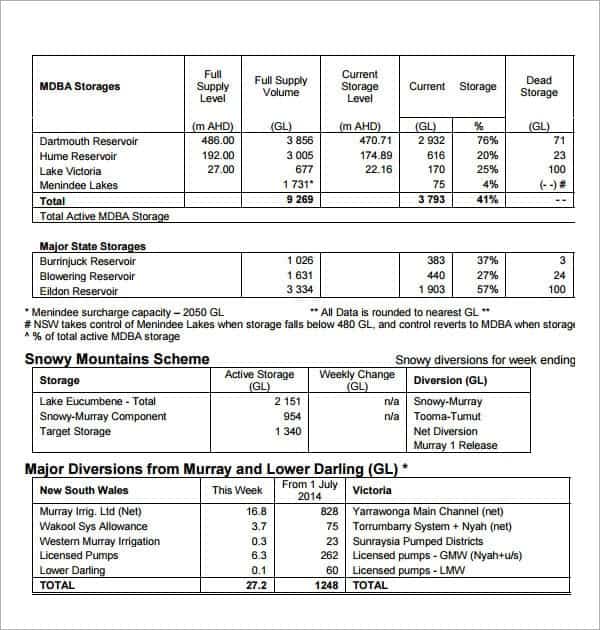
Weekly Progress Report Template

Editable Weekly Production Report Template

MS excel Weekly Report Sample

Related Templates
Looking for something similar? Check out our monthly report format templates, weekly status report templates, daily report templates, and marketing report templates.
Write a Weekly Summary Around Results
A fictional service-team report could state: “Resolved 45 cases against a target of 50; five remain open because customer information is missing. Next week: contact the five customers and trial a shorter intake checklist. Help needed: approve the revised form.” Add the reporting period and data source so the next report can be compared fairly.
This collection is for broad role or departmental summaries. Use a project status report when the reader needs milestone health, schedule risk and a decision request. Summarize supporting daily reports without copying every entry, and distinguish completed results from work merely started.
Choose the right reporting level from our weekly status report templates, daily report templates, monthly report format templates.
Frequently Asked Questions
What is the purpose of a weekly report?
The purpose of a weekly report is to give managers and stakeholders a regular, up to date summary of progress, challenges, and plans, allowing issues to be caught and addressed quickly rather than discovered much later.
Who typically writes a weekly report?
Weekly reports are commonly written by team members, project managers, sales representatives, and department leads to keep senior management informed about ongoing work and performance.
What should a weekly report include?
A weekly report should include key accomplishments, tasks still in progress, any challenges or blockers, and a brief look ahead at priorities for the following week.
Can I customize a weekly report template?
Yes, the weekly report templates below can be downloaded and customized in Word, Excel, or PDF to include the specific metrics and format relevant to your team or role.

You must be logged in to post a comment.